


Essential Fire Safety Regulations Explained: UK Fire Safety Laws You Need to Know

Fire safety is not just a box to tick. It’s a vital part of protecting your property, your people, and your peace of mind. Whether you manage a business, own rental properties, or develop new buildings in the Midlands, understanding UK fire safety laws is crucial. These laws are designed to keep everyone safe and ensure that buildings meet strict safety standards.
Let’s dive into what you need to know about fire safety, how to stay compliant, and practical steps you can take right now.
Understanding UK Fire Safety Laws: What They Mean for You
UK fire safety laws are clear and comprehensive. They set out the responsibilities of property owners, landlords, and businesses to prevent fires and protect occupants. The cornerstone of these laws is the Regulatory Reform (Fire Safety) Order 2005. This legislation applies to almost all non-domestic premises, including offices, shops, factories, and common areas in residential buildings.
Here’s what you need to focus on:
Risk assessments: You must carry out a thorough fire risk assessment. This means identifying potential fire hazards, evaluating who might be at risk, and deciding on measures to reduce those risks.
Fire detection and alarms: Installing and maintaining appropriate fire detection and alarm systems is mandatory.
Emergency routes and exits: Clear, well-marked escape routes and emergency exits must be available and unobstructed at all times.
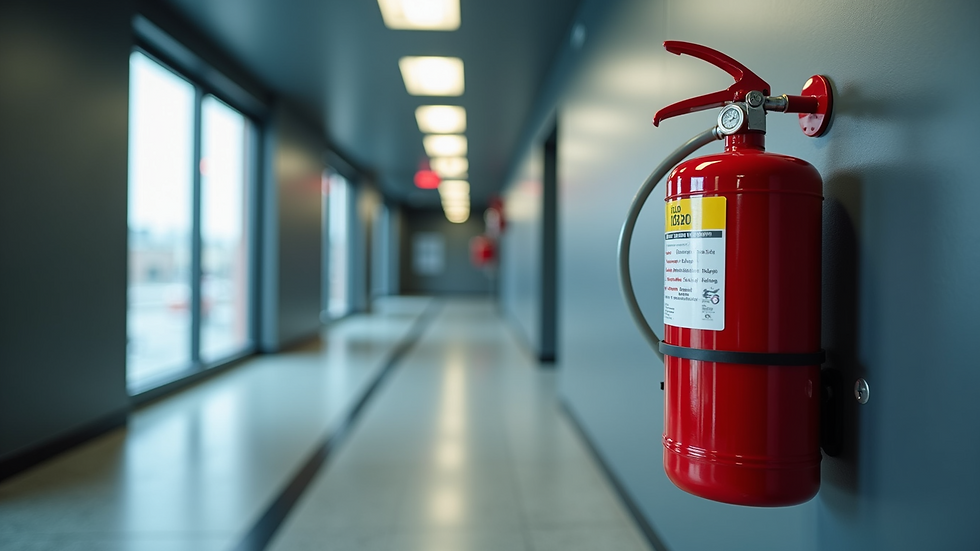
Fire-fighting equipment: Suitable fire extinguishers and other equipment should be accessible and regularly checked.
Staff training: Employees and occupants should be trained on fire safety procedures and evacuation plans.
Following these laws isn’t just about compliance. It’s about creating a safe environment where everyone can feel secure.

Why Fire Safety Matters for Businesses, Landlords, and Developers
You might wonder, “Why invest so much time and effort into fire safety?” The answer is simple: prevention saves lives and money. Fires can cause devastating damage, disrupt business operations, and lead to legal consequences if safety standards aren’t met.
For businesses, a fire can mean lost revenue, damaged reputation, and costly repairs. For landlords, it’s about protecting tenants and avoiding liability. Developers must ensure new buildings comply with fire safety standards from the start to avoid costly retrofits and legal issues.
Here are some practical reasons to prioritise fire safety:
Protect your investment: Fire damage can be financially crippling.
Avoid legal penalties: Non-compliance with fire safety laws can lead to fines or prosecution.
Enhance tenant and employee confidence: People want to feel safe in their homes and workplaces.
Reduce insurance premiums: Insurers often offer better rates to properties with strong fire safety measures.
Taking fire safety seriously is a smart business decision. It shows you care about your property and the people who use it.
What are the 4 Golden Rules of Fire Safety?
When it comes to fire safety, there are four golden rules that everyone should follow. These simple principles help reduce risk and ensure a swift, safe response if a fire breaks out.
Prevent fires from starting
Keep ignition sources away from flammable materials. Regularly check electrical wiring and appliances for faults. Store hazardous substances safely.
Detect fires early
Install smoke detectors and fire alarms in key areas. Regularly test and maintain these systems to ensure they work when needed.
Provide safe escape routes
Make sure all emergency exits are clearly marked, unlocked, and free from obstructions. Conduct regular drills so everyone knows how to evacuate quickly.
Equip for fire-fighting
Have the right fire extinguishers available and ensure staff know how to use them. Remember, not all extinguishers are suitable for every type of fire.
Following these rules can make a huge difference. They’re straightforward but powerful tools in your fire safety toolkit.
How to Conduct a Fire Risk Assessment: Step-by-Step Guide
A fire risk assessment is your first line of defence. It’s a legal requirement and a practical way to identify hazards and plan your safety measures. Here’s how to do it effectively:
Identify fire hazards
Look for sources of ignition (like faulty wiring or heaters), fuel (paper, furniture, chemicals), and oxygen (ventilation).
Identify people at risk
Consider employees, visitors, contractors, and anyone with mobility issues or special needs.
Evaluate the risks and decide on precautions
Think about how likely a fire is to start and how severe it could be. Decide what measures you need to reduce these risks.
Record your findings
Document the hazards, risks, and actions you plan to take. This record is essential for compliance and future reviews.
Review and update regularly
Fire risks can change with new equipment, renovations, or changes in occupancy. Review your assessment at least once a year or after any significant change.
If you’re unsure about any part of the process, consider consulting a fire safety expert. They can provide tailored advice and help you meet all legal requirements.
Practical Tips to Stay Compliant and Safe Every Day
Compliance with fire safety laws is ongoing. It’s not just about ticking boxes once a year. Here are some practical tips to keep fire safety front and centre:
Regular maintenance: Check fire alarms, extinguishers, and emergency lighting monthly.
Clear clutter: Keep corridors, stairwells, and exits free from obstacles.
Train your team: Hold fire drills and refresh training regularly.
Signage: Use clear, visible signs for fire exits and equipment.
Keep records: Maintain logs of inspections, training, and maintenance activities.
Work with professionals: Partner with trusted fire safety providers like AKH Systems Ltd to ensure your systems are up to date and compliant.
Remember, fire safety is a team effort. Everyone has a role to play in keeping your property safe.
Taking the Next Step: Partnering with Experts for Peace of Mind
Navigating fire safety laws can feel overwhelming. But you don’t have to do it alone. Working with a trusted expert can make all the difference. They bring knowledge, experience, and peace of mind.
At AKH Systems Ltd, we specialise in comprehensive fire, security, and electrical solutions tailored for the Midlands. We help businesses, landlords, and developers meet their obligations and protect what matters most.
Whether you need a fire risk assessment, installation of fire detection systems, or ongoing maintenance, expert support ensures you stay compliant and safe.
Don’t wait for an emergency to highlight gaps in your fire safety. Take action now. Your property and everyone in it deserve the best protection.
Fire safety is serious, but it doesn’t have to be complicated. With the right knowledge and support, you can confidently meet UK fire safety laws and create a safer environment for all. Ready to get started? Reach out to a trusted fire safety partner today.
For more detailed information on fire safety regulations and how to comply, check the official government guidance.



Comments